
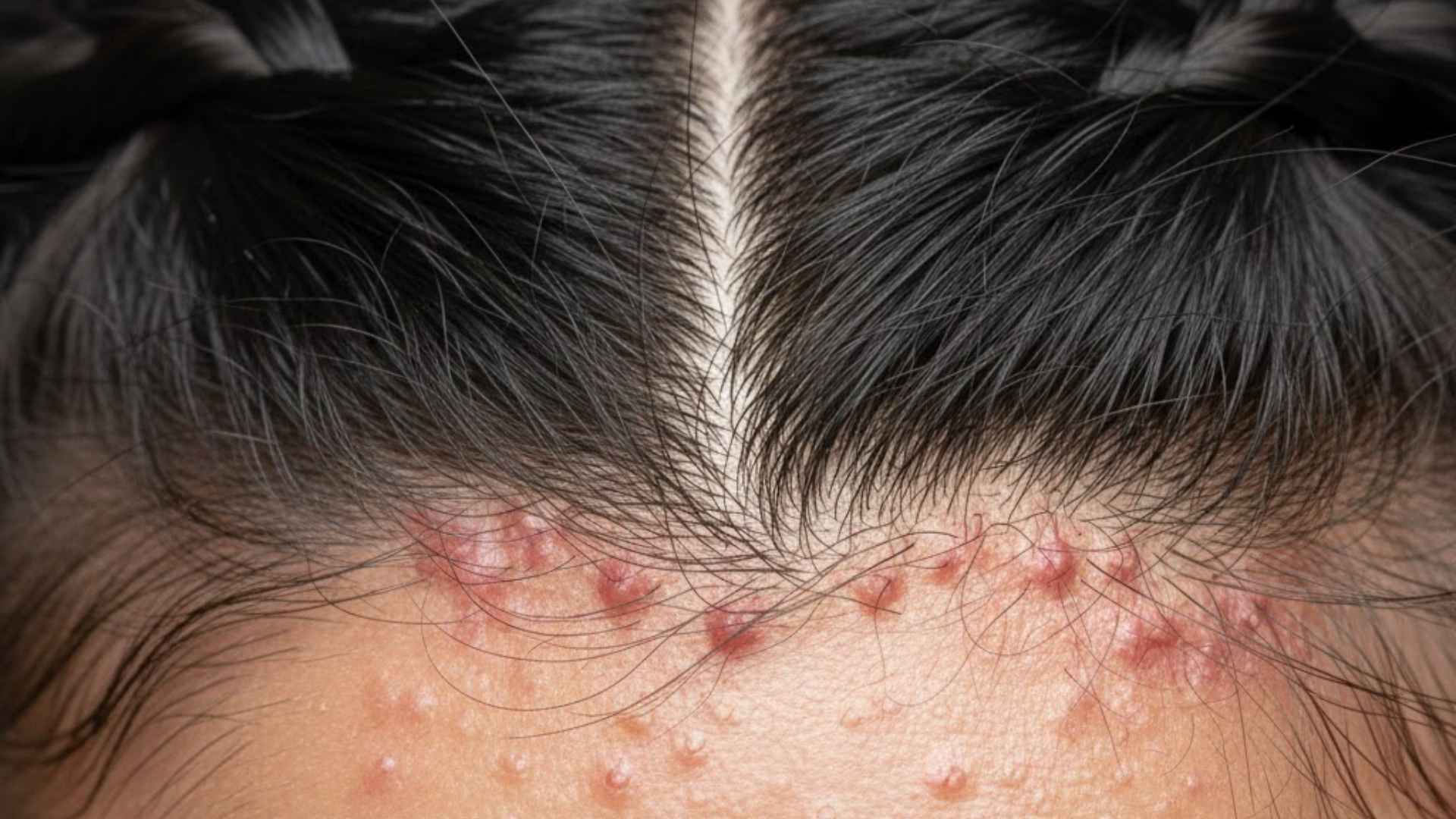
Many people experience a familiar, uncomfortable sensation: a tender, sore scalp from tight hairstyles like braids, a high ponytail, or a bun. This discomfort is a common physical response, not merely an inconvenience to ignore. The feeling can range from a mild, dull ache to a sharp, persistent pain that makes it difficult to focus or even sleep.
Well, after finishing this article, you will understand what is happening beneath the surface, and you can learn to distinguish between temporary tension and signs that require a change in your haircare practice.
Our focus is on providing clear, educational information about the mechanics of scalp discomfort, contributing factors, and patterns of care that many find helpful for maintaining both style and scalp well-being. Ongoing tension can contribute to thinning edges — learn more in Thinning Edges and Hairline: Causes, Care, Understanding.
What People Notice: The Spectrum of Discomfort
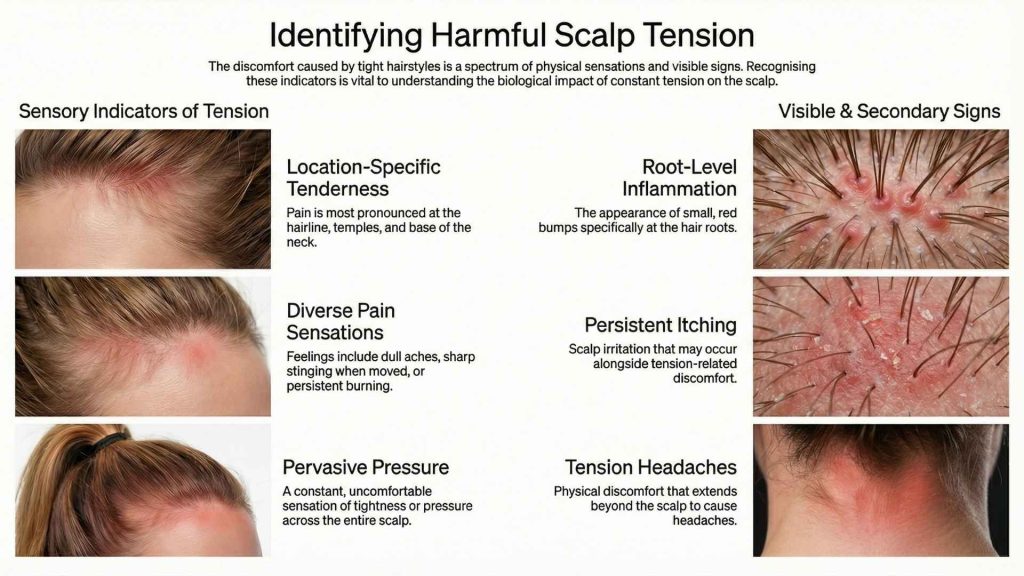
The experience of a sore scalp from hairstyles is not uniform. People often report a specific combination of sensations that help identify the issue.
- Location-Specific Tenderness: The pain is often most pronounced at the points of greatest pull: the hairline, temples, and the base of the neck. With braids, individual braid bases may feel particularly tender.
- Types of Sensation: People often describe the sensation as a constant, dull ache, a sharp, stinging pain when they touch or move their hair, a burning feeling, or a pervasive feeling of tightness or pressure across the scalp.
- Accompanying Signs: Tension headaches, persistent itching, or visible small, red bumps at the hair roots often accompany the primary discomfort.
A common point of uncertainty is determining what level of discomfort is an expected trade-off for a style. This confusion stems from not fully understanding the biological mechanisms at play when hair is under constant tension.
The Underlying Mechanics: Why Tension Causes Pain
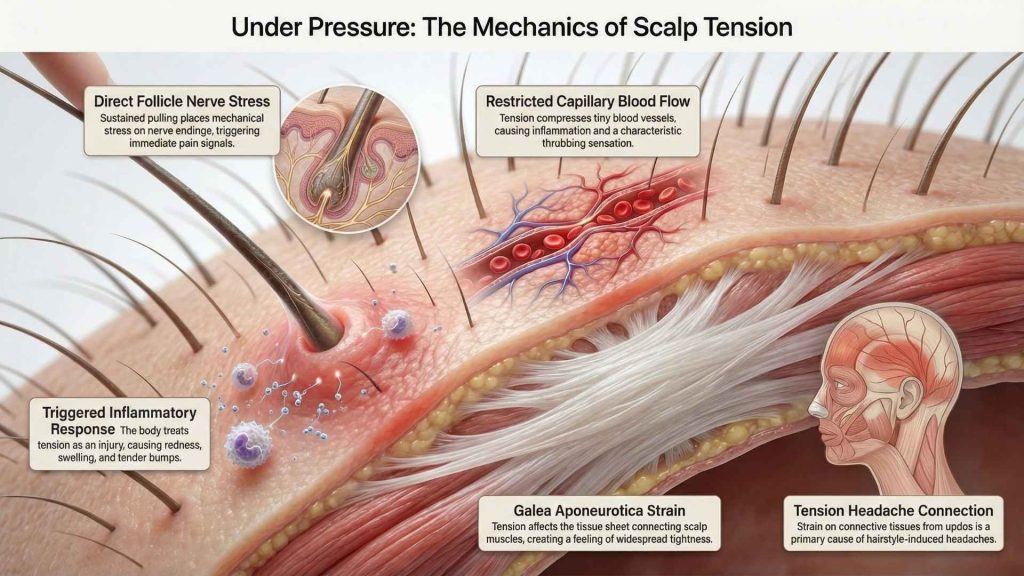
When you pull your hair tightly and consistently, you create a chain of physical responses in your scalp. Blood vessels and a dense network of nerves richly supply the scalp, supporting each complex, living hair follicle.
- Direct Follicle Stress: Each hair follicle is surrounded by a network of sensitive nerve endings. Sustained pulling places direct mechanical stress on these nerves, which register the sensation as pain.
- Restricted Blood Flow: The tension can compress the tiny capillaries that supply blood to the follicles and scalp tissue. This reduced circulation can lead to inflammation and contribute to the characteristic aching or throbbing feeling.
- Inflammatory Response: The body treats this constant irritation as a minor injury, triggering an inflammatory response. This process is responsible for symptoms like redness, swelling, and the tender bumps characteristic of traction folliculitis.
- Connective Tissue Strain: The galea aponeurotica, a sheet of tissue connecting muscles across the scalp, is also placed under strain. This can lead to the feeling of widespread tightness and is a primary contributor to tension headaches from updos.
This explains why the pain is a direct signal—your scalp’s tissues are literally under stress.
Factors That Influence Sensitivity
While tension is the primary trigger, several variables determine why one person experiences severe pain from a style that another might tolerate.
| Contributing Factor | Influence on Scalp Sensitivity |
|---|---|
| Style Duration & Weight | The longer the tight style is maintained, the longer inflammation persists. Added weight from extensions or very thick, long hair increases gravitational pull on follicles. |
| Individual Scalp Biology | Natural variations in nerve density, skin barrier strength, and predisposition to inflammation mean people have different innate pain thresholds. |
| Pre-existing Scalp Environment | A scalp that is already dry, has minor product buildup, or has a condition like mild dandruff is in a more vulnerable state, making it more reactive to added tension. |
| Hair Strand Integrity | Hair that is chemically processed, heat-damaged, or naturally fine may be more susceptible to breakage under tension, which can alter how force is distributed to the follicle. |
Why Common Advice Can Feel Inadequate
The standard suggestion to “just wear it looser” is technically correct but often fails in practice, leading to frustration.
- The Subjectivity of “Tight”: A style needs to be secure enough to last, but the line between “secure” and “painfully tight” is highly personal and not visually obvious to a stylist.
- The Delayed Pain Response: Maximum soreness often peaks a day or two after styling. This delay makes it difficult to correct the problem at the salon and creates doubt about whether to endure it.
- Cultural and Aesthetic Expectations: In some styling traditions, significant tension is associated with neatness, longevity, and aesthetic success. This can create internal or social pressure to prioritize the style’s appearance over personal comfort.
- Lack of Practical Alternatives: Without knowledge of lower-tension styling techniques or comfortable yet polished alternatives, the choice can feel like one between pain and an unmanaged look.
Patterns of Care for Management and Prevention
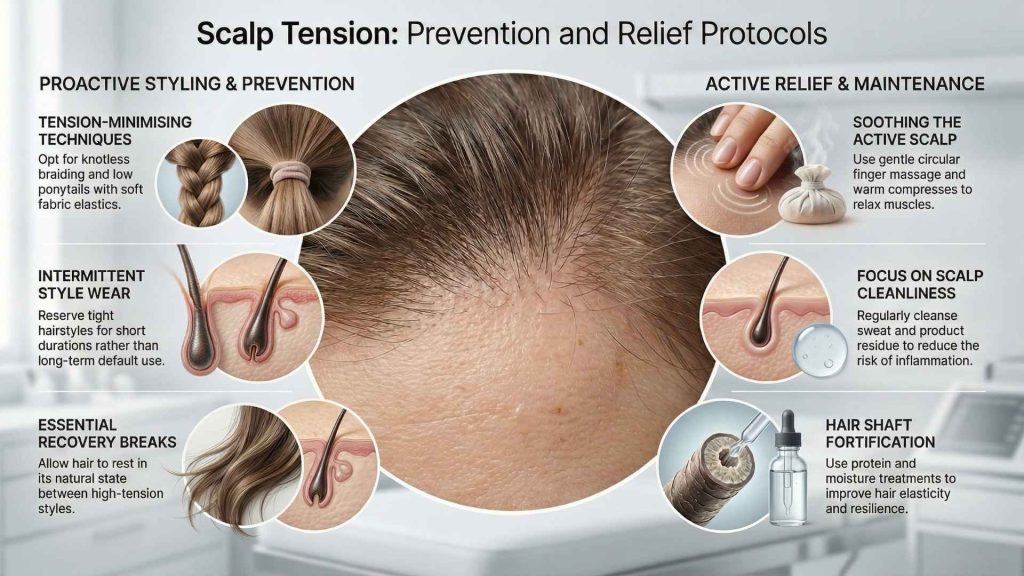
Informed by an understanding of the causes, certain approaches can help manage discomfort and support scalp health over time. If you’re experiencing sudden heavy shedding, see Hair Falling Out in Clumps in the Shower: Understanding the “Why” Behind the Shed.
Proactive Styling Choices:
- Request Tension-Minimizing Techniques: Ask for knotless braiding methods, where braids start from your natural hair without a tight knot at the root. For ponytails, choose lower placements and soft, fabric-covered elastics.
- Prioritize Intermittent Wear: Reserve very tight styles for shorter durations or specific occasions, rather than as a default, long-term protective style.
Soothing an Active Sore Scalp:
- Gentle, Non-Invasive Massage: Using the pads of your fingers, apply gentle circular pressure around the sore areas, avoiding pulling the hair. This can encourage blood flow without exacerbating tension.
- Warm Compress: Applying a warm, damp cloth to the scalp for a few minutes can help relax the scalp muscles and soothe aching.
- Careful Product Selection: If applying oils or tonics, opt for lightweight, non-comedogenic formulas. Using a formulation with ingredients like squalane or diluted tea tree oil may offer a soothing effect, but you should always conduct a patch test first.
Foundational Scalp and Hair Support:
- Focus on Scalp Cleanliness: Gently cleansing the scalp to prevent the accumulation of sweat, oils, and product residue is a fundamental practice that reduces the risk of inflammation from multiple sources.
- Incorporate Recovery Breaks: After removing a tight style, allow your hair to rest in its natural state, free from tension, for a period of time. This practice supports long-term follicle health.
- Maintain Hair Strength: Using protein treatments and moisturizing deep conditioners as needed for your hair type can help maintain the strength and elasticity of the hair shaft, potentially making it more resilient.
When to Seek a Professional Opinion
This educational guide is not a substitute for medical advice. Consulting a board-certified dermatologist is a prudent step if you experience:
- Persistent or worsening pain that does not resolve after loosening or removing the hairstyle.
- Signs of possible infection, such as increasing redness, warmth, swelling, or pus.
- Noticeable hair thinning or loss, particularly around the hairline, that coincides with your styling habits.
- Any scalp symptoms that cause you significant concern or affect your daily life.
A dermatologist can provide a personalized assessment, rule out other conditions like alopecia or dermatitis, and offer guidance specific to your scalp’s health.
Frequently Asked Questions
Is some initial soreness from braids normal?
The scalp commonly reports a mild feeling of tightness or tenderness during the first 24-48 hours as it adjusts. However, sharp, throbbing, or severe pain that disrupts sleep or requires pain relievers is not a normal or necessary part of the process and indicates the style is too tight.
Can you get a headache from a tight ponytail?
Yes, many people frequently report this experience, often calling it a “ponytail headache.” The constant pull on the scalp’s connective tissues and nerves can trigger a tension headache, which typically eases once you let your hair down.
What does it mean if I get small bumps from a tight style?
Small, red, tender bumps at the base of hair follicles are often a sign of traction folliculitis. This constant pulling irritates and inflames the follicle, causing an inflammatory response. Allowing the area to rest and avoiding further tension is important.
How can I make my ponytail hurt less without cutting my hair?
Use softer, spiral hair ties instead of thin elastics. Position the ponytail at the nape of your neck instead of on the crown. Avoid brushing hair back tightly when wet, as it shrinks as it dries, increasing tension. Lightly gathering the hair is often more comfortable than creating a perfectly sleek base.
How long should I wait between getting braids?
A common recommendation is to give your hair and scalp a complete break of at least one to two weeks between tightly installed protective styles. This rest period allows the scalp to recover and gives you time to care for your hair in its natural state.
Can a sore scalp from tight styles lead to permanent hair loss?
Chronic, repeated tension on hair follicles can, over a long period, contribute to a condition known as traction alopecia. This is a form of hair loss caused by persistent pulling. The key to prevention is recognizing the signs of excessive tension (pain, bumps) early and changing styling habits to eliminate constant strain on the follicles.
Conclusion
A sore scalp from tight hairstyles is your body’s direct communication about the physical stress being placed on it. By understanding the biological reasons for the pain—the strained nerves, reduced circulation, and inflammation—you can respond with knowledge rather than confusion. The path to comfort involves proactive styling choices, attentive aftercare, and recognizing when your scalp needs a rest. Empowering yourself with this understanding is the most effective strategy for enjoying diverse hairstyles while maintaining the long-term health and comfort of your scalp.
Disclaimer: This article is for educational purposes only and does not replace professional medical advice. Always consult with a healthcare provider or dermatologist for concerns about scalp pain or hair health.