
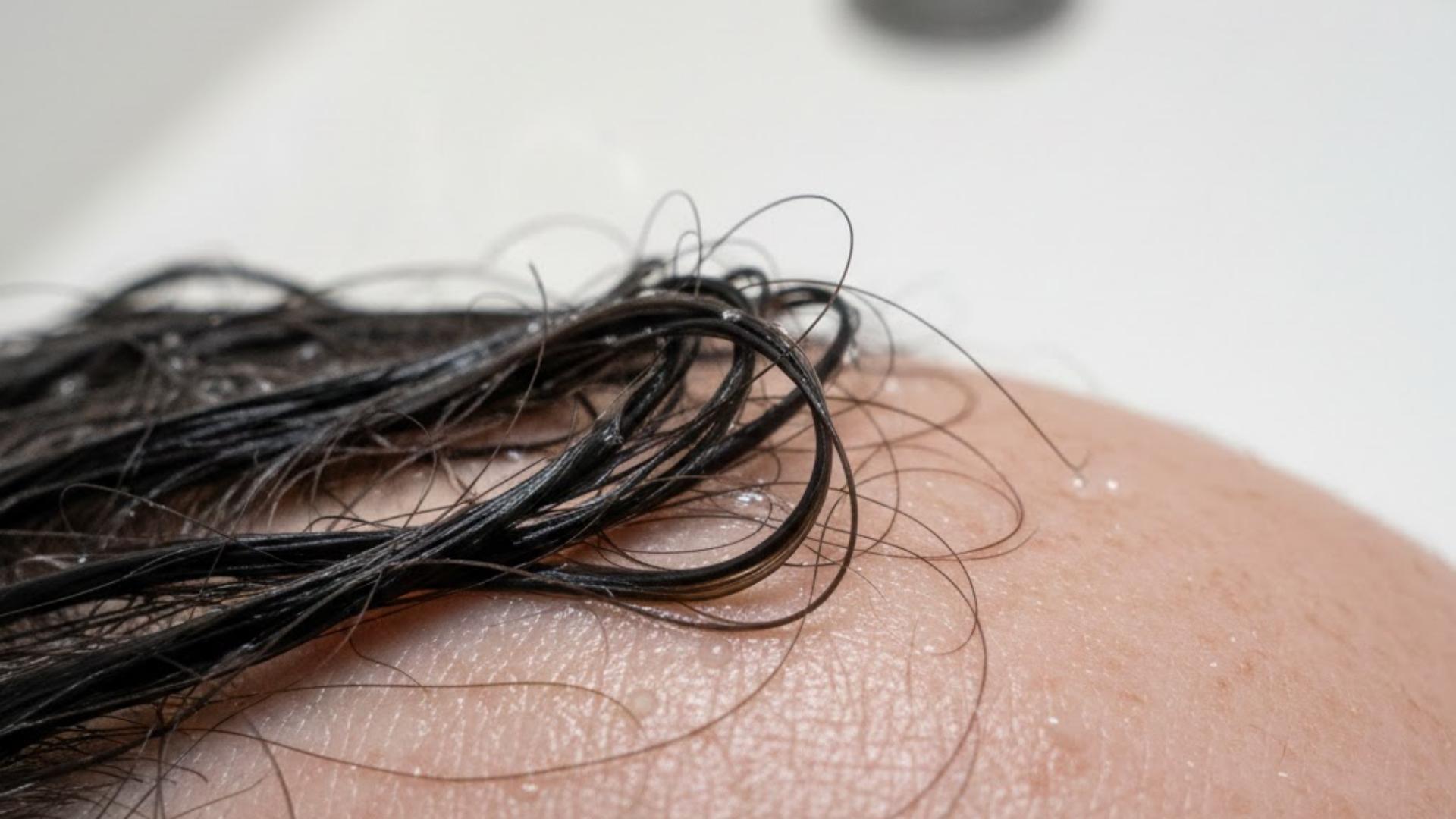
It’s a moment that can stop you in your tracks: after massaging in your shampoo, you pull your hand away to find a tangled wad of hair wrapped around your fingers. Or perhaps you’ve just cleared a startling mass from the shower drain. A surge of worry is a completely normal reaction. However, this experience, while alarming, is often explainable and frequently temporary. If your Hair Falling Out in Clumps in the Shower then please Understand the “Why” can help you more than you think.
If you are ready to to understand this guide it will help you move from panic by explaining what you’re observing, why it often centers on the shower, and how to thoughtfully assess your own situation. Traction from tight hairstyles can worsen shedding — read
Understanding Sore Scalp from Tight Hairstyles: A Guide to Comfort and Care
The First Step: Pause and Assess (Don’t Panic)
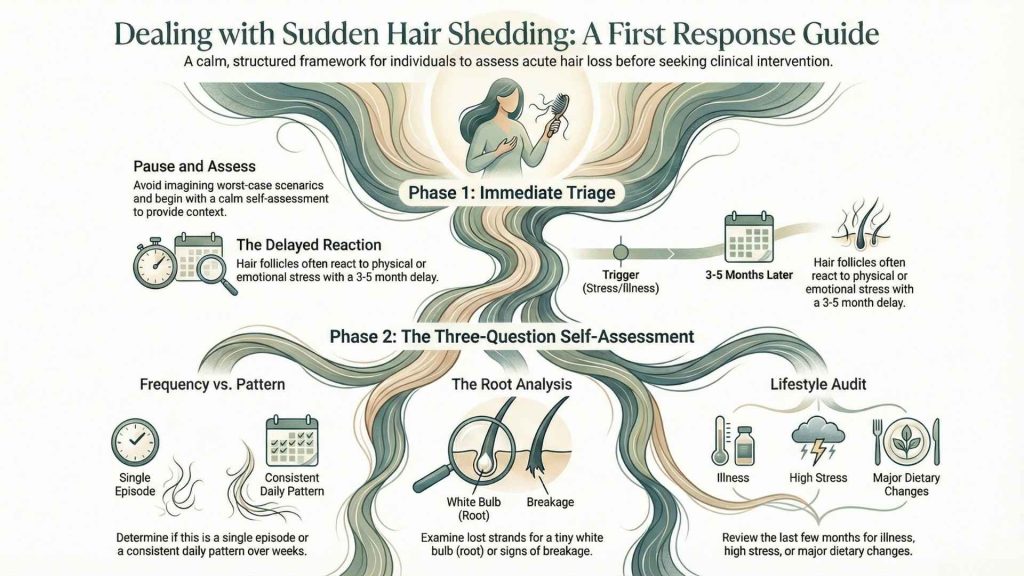
Before imagining worst-case scenarios, it’s helpful to perform a quick, calm self-assessment. This initial triage can provide immediate context for what you’re experiencing.
Ask yourself these three questions:
- Is this a new development or a persistent pattern? A single or occasional episode of increased shedding differs significantly from consistent, daily clumps over several weeks.
- Were you recently ill, under significant stress, or have you made a major dietary change? Consider the timeline of the past 3-5 months. Physical or emotional events have a delayed effect on hair follicles.
- What does the lost hair look like? Examine a few strands. Is there a tiny, white or translucent bulb at the root end? Or does the hair appear to be broken off at different lengths?
Your answers to these questions begin to frame the narrative of your hair shedding. The shower often acts as a stage where this internal process becomes visibly, and sometimes dramatically, apparent.
Why the Shower Magnifies Hair Loss Perception
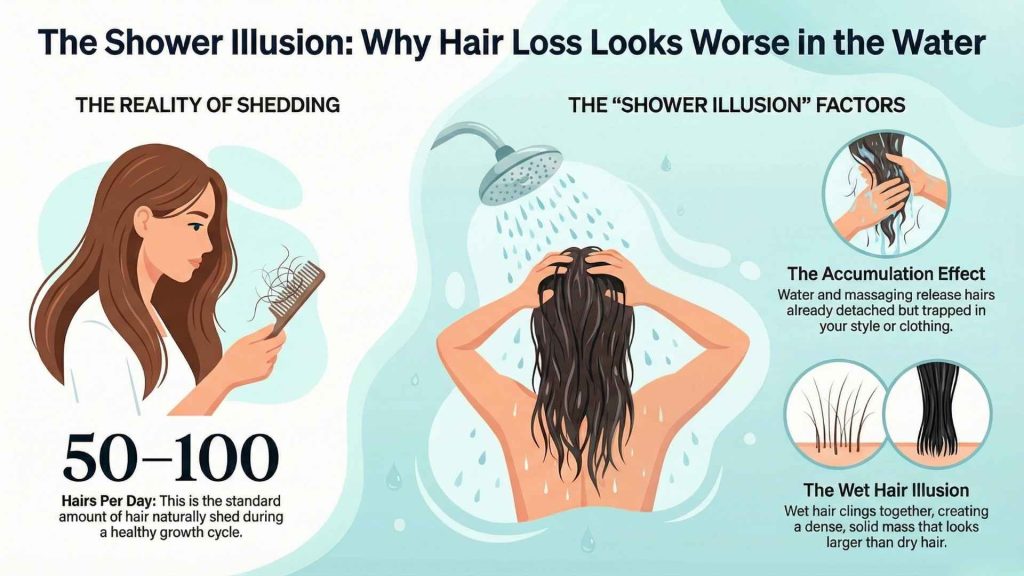
The shower environment uniquely concentrates the appearance of hair loss. This is due to two primary factors:
- The Accumulation Effect: You naturally shed between 50 to 100 hairs per day as part of the regular hair growth cycle. These hairs don’t all fall out the moment they detach. They can become caught in your surrounding hair, on your clothing, or on your brush throughout the day. The shower—with its massaging motions, slippery conditioners, and water flow—releases all these accumulated hairs at once, creating a much more concentrated visual than you would see otherwise.
- The Wet Hair Illusion: Wet hair clings together, forming what looks like a dense, solid mass. The same number of hairs, if dry, would appear as a much smaller, looser pile. This physical property can make even a normal day’s shed look more substantial.
Understanding this can help separate the perception of excessive loss from the reality of your hair’s growth cycle.
Defining “Normal” Shed vs. a “Concerning Clump”
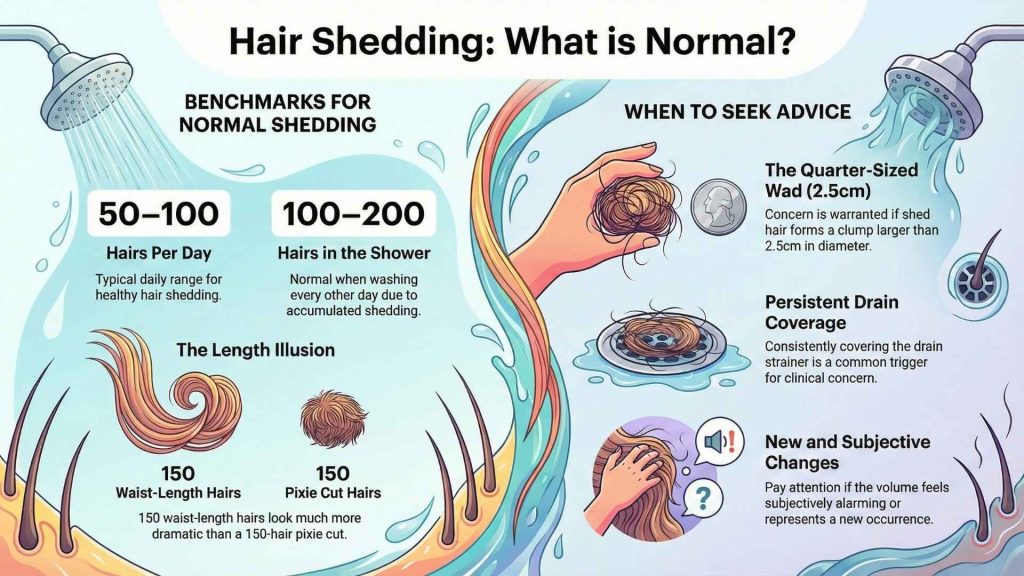
Quantifying hair loss is challenging, as “normal” varies by hair length, texture, and density. However, some general benchmarks can help:
- Typical Daily Shed: 50-100 hairs.
- In the Shower: This may represent 1-2 days of accumulated shedding, so seeing 100-200 hairs, particularly if you wash your hair every other day, can fall within a broad normal range.
- What Often Triggers Concern: Individuals report concern when the hair forms a wad larger than a U.S. quarter in diameter, consistently covers the drain strainer, or when the sheer volume feels subjectively alarming and is a new occurrence.
The context is key. A person with waist-length hair will have a much more dramatic-looking clump from 150 hairs than someone with a pixie cut.
The Most Common Explanation: Telogen Effluvium and the 3-Month Rule
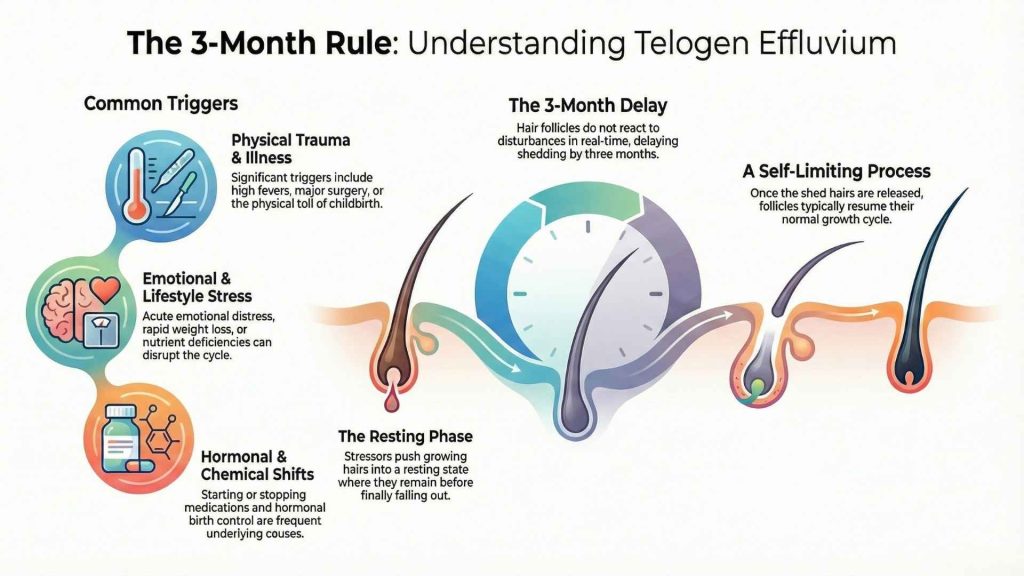
When clumping is significant and persistent beyond a week or two, the most frequent underlying process is a condition called telogen effluvium (TE). It is crucial to understand its hallmark: a delayed timeline.
Hair follicles do not react to a disturbance in real-time. Instead, a significant physiological or emotional stressor can cause a large number of growing hairs to prematurely enter the resting phase. They remain in this phase for about three months before finally shedding.
Common Triggers for This Cycle Disruption:
- High Fever or Significant Infection: (e.g., COVID-19, severe flu)
- Major Surgery or Physical Trauma
- Acute or Prolonged Emotional Stress
- Childbirth (Postpartum Shedding)
- Rapid, Substantial Weight Loss or Nutrient Deficiency
- Certain Medications or Hormonal Changes (e.g., changing or stopping hormonal birth control)
This explained delay is why people often struggle to connect the cause to the effect. You may feel perfectly healthy when the shedding begins, unaware that the trigger was months prior. The reassuring aspect of classic TE is that it is typically self-limiting. Once the trigger has passed and the shed hairs have been released, the follicles usually resume their growth cycle.
Shedding vs. Breakage: Not All Hair Loss is From the Root
Examining the hair you lose provides critical clues. The shower collects both shed hairs and broken hairs, which have different causes.
| Feature | Shed Hair (e.g., from Telogen Effluvium) | Broken Hair |
|---|---|---|
| Root End | Often has a small, soft, white or translucent bulb (the “club” of the telogen hair). | No bulb; the end may look frayed, split, or simply cut straight across. |
| Length | Full strand length, from root to tip. | Varying shorter lengths; pieces of the hair shaft. |
| Primary Cause | Internal cycle disruption (health, hormones, stress). | External mechanical or chemical damage. |
Common Causes of Breakage That Can Mimic Shedding:
- Hard Water: Mineral buildup (calcium, magnesium) can coat the hair, making it brittle and prone to snapping.
- Mechanical Stress: Vigorous towel-drying, brushing tangled hair while wet, tight hairstyles, and friction from pillowcases.
- Chemical and Heat Damage: Over-processing with color or relaxers, and excessive high-heat styling.
- Protein/Moisture Imbalance: Hair that is overly brittle from too much protein or overly weak from insufficient protein can break easily.
When to Consider Seeking Professional Guidance
While increased shedding is often temporary and manageable, certain patterns warrant a conversation with a healthcare provider or a board-certified dermatologist. Seeking professional insight is recommended if you experience:
- Shedding that is intense and persists for more than 3-4 months without any sign of slowing.
- Noticeable thinning or widening of your part beyond your normal baseline.
- The appearance of distinct, circular bald patches.
- Shedding accompanied by other symptoms, such as significant fatigue, unexplained weight changes, or skin changes.
- Scalp symptoms like itching, burning, pain, or redness in areas of loss.
- A strong family history of patterned hair loss and you are concerned this may be the beginning of that process.
A professional can help rule out other contributors, such as thyroid imbalances, iron deficiency, or autoimmune conditions, and provide a precise understanding of your hair’s status. Gradual hairline thinning is also discussed in Thinning Edges and Hairline: Causes, Care, Understanding.
Patterns of Care That Users Report as Helpful
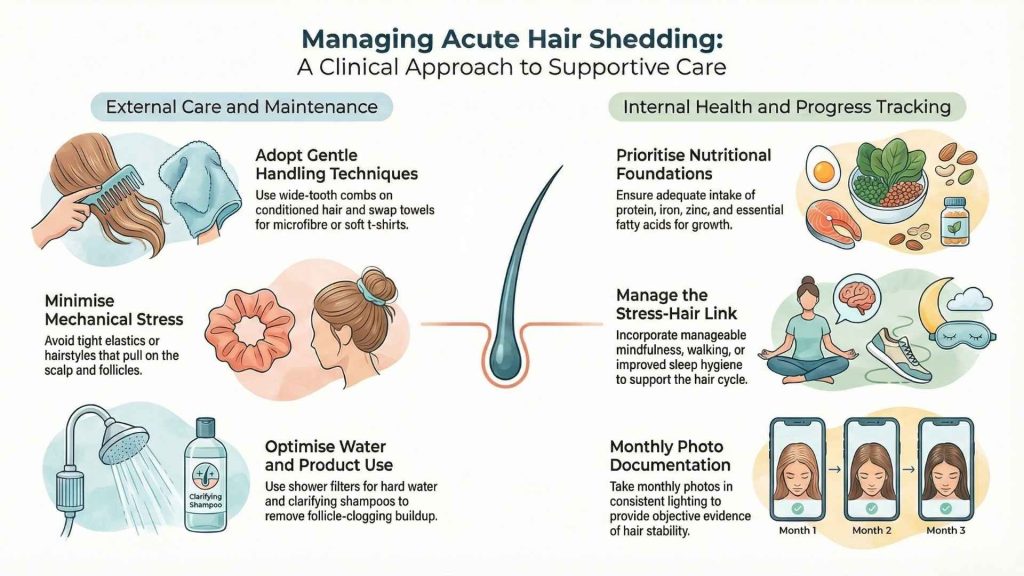
Individuals navigating periods of increased shedding often find a measured, consistent approach more helpful than drastic, immediate changes. Commonly reported supportive practices include:
- Gentle Hair Handling: Using a wide-tooth comb on conditioner-soaked hair, patting hair dry with a microfiber towel or soft t-shirt, and avoiding tight elastics or styles that pull.
- Reviewing Diet: Ensuring adequate intake of protein, iron, zinc, and essential fatty acids, which are foundational for hair growth.
- Managing Stress: Incorporating consistent, manageable practices like walking, mindfulness, or improved sleep hygiene, recognizing the link between stress and the hair cycle.
- Evaluating Water and Products: If breakage is suspected, some find benefit from a clarifying shampoo to remove buildup or a shower filter to soften hard water. Sticking to simple, gentle haircare routines can also remove variables.
- Documentation: Simply taking a monthly photo in consistent lighting can provide objective evidence of whether thinning is occurring or if the situation is stabilizing, which is often more reliable than daily perception.
FAQ Section
Is it normal to lose more hair when you wash it less frequently?
Yes, this is a common observation and is typically normal. If you go several days between washes, you are accumulating multiple days of naturally shed hairs. Your next wash will then release them all at once, creating a larger clump than if you washed daily. This does not mean you are losing more hair overall, just that you are seeing it in a more concentrated way.
Does the white bulb on the end of a fallen hair mean it won’t grow back?
The presence of a soft, white bulb generally indicates the hair was shed at the end of its natural resting phase (telogen). This is the normal mechanism of shedding. In most cases, the follicle is intact and healthy beneath the scalp and will eventually produce a new hair. The bulb itself is simply the root club that anchored the hair in the follicle.
Can hard water really cause hair to fall out in clumps?
Hard water is more often a cause of breakage than root shedding. The mineral deposits can weaken the hair shaft, making it brittle and prone to snapping off mid-strand, which can collect in the drain. It can also cause scalp buildup for some individuals. This type of loss is different from the root-shedding seen in telogen effluvium, but the resulting hair in your hand can look similarly concerning.
How long does postpartum hair shedding typically last?
Postpartum shedding is a classic form of telogen effluvium. It commonly begins around 3-4 months after delivery and can last for 3-6 months. The cycle usually corrects itself as hormone levels stabilize. While it can be dramatic, it is almost always temporary, and hair density typically recovers by the time the baby is 12-18 months old.
Should I stop using my current shampoo if I see more hair falling out?
Not necessarily. A new product can sometimes cause breakage or irritation, but true increased shedding from the root is rarely caused by shampoo alone. However, if you suspect a product is causing dryness, brittleness, or scalp irritation that leads to breakage, reverting to a simple, gentle cleanser for a few weeks can be a useful observational step. Avoid frequently switching products in alarm, as this can make it harder to identify patterns.
Can stress alone cause this much hair loss?
Significant emotional or psychological stress can indeed be a potent trigger for telogen effluvium. The body’s stress response can disrupt the normal hair growth cycle, pushing a larger percentage of hairs into the shedding phase. The shedding itself then often becomes an additional source of stress, creating a cycle. Managing stress is a supportive measure for overall health, which includes hair follicle function.
Conclusion
Finding clumps of hair in the shower is a disconcerting experience, but it is one rooted in biological processes that are often temporary and explainable. The key is to replace immediate fear with informed observation. By understanding the accumulation effect of the shower, the delayed reaction of telogen effluvium, and the important difference between shedding and breakage, you can assess your situation with greater clarity. From this place of understanding, you can make calm, reasoned decisions about self-care and know when seeking professional insight is the most appropriate next step for your long-term hair and scalp health.
Disclaimer: This article is for educational purposes only and does not replace professional medical advice. Always consult with a healthcare provider or dermatologist for personal health concerns.