
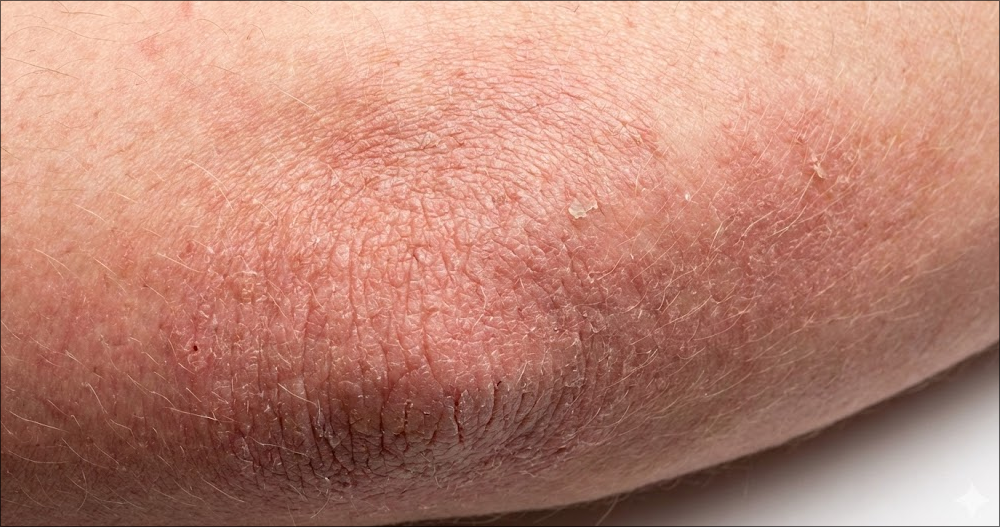
If you have gotten dry, itchy skin patches that won’t go away no matter how much lotion you use, I know personally it can be uncomfortable and confusing. A lot of people have to deal with this skin problem. More often, it’s for something beyond mere dry skin. This is often due to inflammation, under the skin. Atopic dermatitis, also known as eczema and contact dermatitis are two causes of these dry and itchy patches of skin.
Even though the symptoms of eczema and contact dermatitis can look the same they happen for reasons and you need to understand what is causing them so you can make them better. This guide will clarify these differences, explain why generic advice often fails, and provide a clear framework for caring for your skin.
If you’re dealing with tiny rough bumps as well, read:
Understanding Keratosis Pilaris: The Tiny Rough Bumps on Your Skin.
Identifying Your Symptoms: More Than Just Dry Itchy Skin
Chronic problematic patches usually manifest a vicious cycle of intense pruritus, visible inflammation and skin barrier damage. You could see spots that are:
- Chronically dry, rough or scaly to the touch.
- Reddened on lighter skin tones, or appearing as darker brown, purple, or ashy gray patches on darker skin tones.
- Broken, thick or leather like due to persistent scratching.
- Occasionally weepy or crusty if the skin barrier is very impaired
The sensation of itchiness (pruritus) is often the most dominant and distressing symptom, creating a frustrating itch-scratch cycle that further damages the skin.
Eczema and Contact Dermatitis: Core Differences Explained
It is important to know the difference between Eczema and Contact Dermatitis treatments for them are different than treatments of contact dermatitis.
Eczema (Atopic Dermatitis) is a chronic, internal condition. It is linked to an overactive immune response and a genetically compromised skin barrier that struggles to retain moisture and protect against irritants. Flares can seem to occur without an obvious external trigger and are often connected to a personal or family history of asthma, hay fever, or allergies.
Contact Dermatitis is an external, immediate responsive inflammation. That happens when skin touches something that physically harms it (irritant contact dermatitis) or causes an allergic response (allergic contact dermatitis). The rash appears only in the spot where the contact occurred.
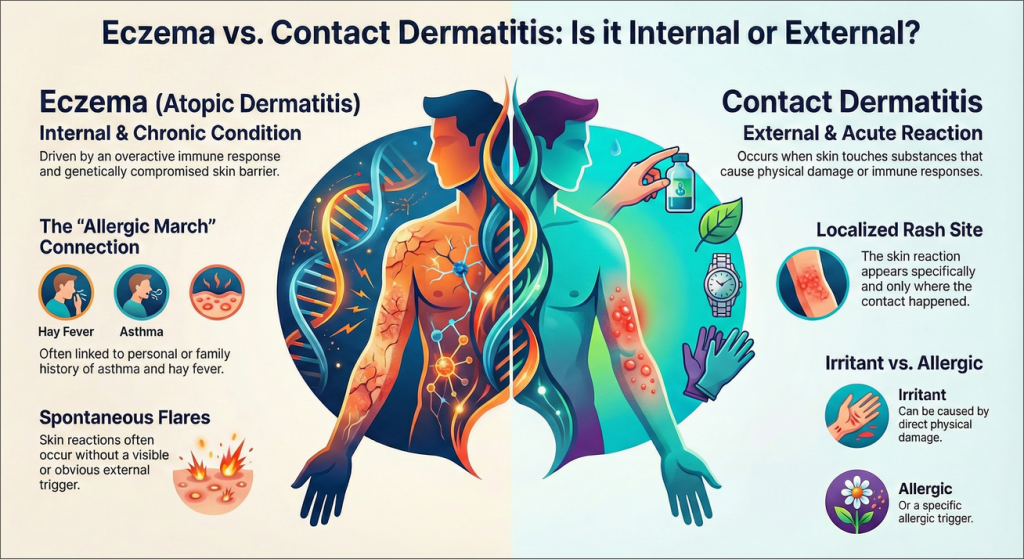
The table below outlines their defining characteristics:
| Feature | Eczema (Atopic Dermatitis) | Contact Dermatitis |
|---|---|---|
| Primary Cause | Internal; a chronic condition involving skin barrier dysfunction and immune system activity. | External; a direct reaction to an irritant or allergen touching the skin. |
| Typical Pattern | Often occurs in flexural areas (inner elbows, behind knees), cheeks, and torso. Flares can be cyclical. | Appears precisely where skin made contact with the trigger (e.g., hands, face under a product, neck under jewelry). |
| Key Triggers | Broad and varied: dry air, stress, temperature changes, dust mites, and potential food sensitivities. | Specific substances: Irritants (harsh soaps, detergents) or Allergens (nickel, fragrances, preservatives, plants like poison ivy). |
| Onset & Duration | Often begins in childhood, though adult-onset occurs. A long-term condition with periods of flare-ups and calm. | Can develop at any age upon exposure. Reaction subsides once the trigger is identified and avoided. |
Why Standard Moisturizing Tips Are Not Enough
The common recommendation is to use form healing skin problems that also helps with dry itchy skin. This is because it fails to address the issue, which is inflammation on the dry skin.
- Barrier Repair vs. Symptom Relief: In a period of aggravation, ordinary moisturizers that can raise its moisture levels, even though it will not restore the barrier of broken skin. Ingredients such as ceramides and fatty acids support repair; but calming inflammation is usually a necessary first step before any real improvement.
- The Complexity of Triggers: For contact dermatitis, a single ingredient in a daily-use product can be the culprit. For eczema, non-direct triggers like stress or weather changes make avoidance strategies more complex. Without identifying these, symptoms persist.
- Individual Skin Responses: Your skin responds in its own unique way~remedies that might soothe one person’s skin could end up hurting another’s, especially when the skin barrier has been compromised. That’s why “fragrance-free” and “dye-free” are always good places to start when caring for sensitive skin.
Building an Effective Management Strategy
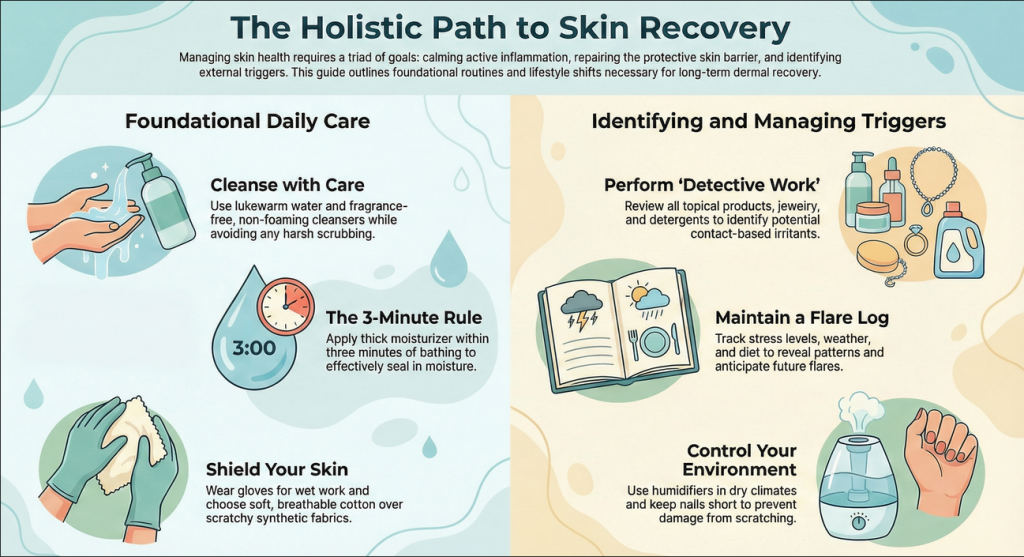
Successful management focuses on a triad of goals: calming inflammation, repairing the skin barrier, and avoiding identified triggers.
1. Foundational Skincare Adjustments
Adopt a consistent, gentle routine to support your skin’s health without causing more irritation.
- Cleanse Gently: Use lukewarm water and a mild, non-foaming, fragrance-free cleanser and more importantly avoid scrubbing.
- Moisturize Effectively: Apply a thick, fragrance-free moisturizer or ointment within three minutes of bathing to lock in moisture. Reapply throughout the day as needed, especially on affected areas.
- Protect Skin Physically: Wear gloves for wet work or cleaning. Choose soft, breathable fabrics like cotton instead of wool or synthetic materials that can scratch or trap heat.
2. The Detective Work: Identifying Triggers
- For Suspected Contact Dermatitis: Study all the things which has been seen to touch that area. Any one item causing irritations might be cosmetics, shampoo, face cleansing creams or other skin care treatments; detergents of any kind used for clothes washing. An elimination process can help identify the cause.
- For Managing Eczema: Chart your skin’s progress, noting flares and the emotions, weather, diet, and activities in which you were participating. Over time this will show a pattern — allowing you to know when an outbreak is impending.
3. Lifestyle and Environmental Considerations
- Climate Control: Use a humidifier in dry environments. Avoid sudden temperature changes.
- Stress Management: Include practices like mindfulness, getting enough sleep, or gentle exercise. Stress often triggers eczema flare-ups
- Nail Care: Keep nails short and smooth to reduce skin damage from accidental scratching, especially at night.
Redness and sudden warmth may point to another trigger — see:
Skin Flushing: What It Is, Causes & Treatment.
Recognizing When to Seek Professional Guidance
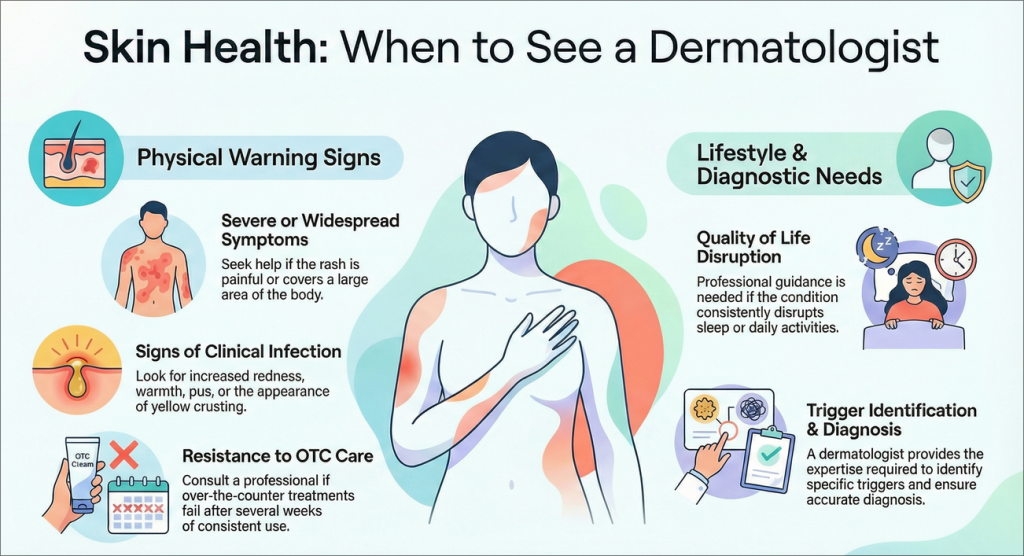
Consulting a healthcare provider or board-certified dermatologist is recommended if:
- The the rash is severe, painful, or has covered a large area.
- you see signs of infection, like increased redness, increased pus and a yellowish crust.
- The condition disrupts your sleep or every day quality of life
- There is no improvement in over-the-counter care after several weeks of continuous use.
- You need help identifying triggers or obtaining an accurate diagnosis.
In short, professionals are in a position to provide diagnoses and offer an array of management options unique to your circumstances.
Frequently Asked Questions
Can you suddenly develop eczema or contact dermatitis as an adult?
Yes. While eczema often begins in childhood, it can start in adults too. Allergic contact dermatitis can develop at any age after repeated exposure to a substance, even one you have safely used for years.
Are these conditions contagious?
No. Neither eczema nor contact dermatitis is contagious. They cannot be spread from person to person through touch.
Is there a cure for eczema?
While eczema is not curable, it is a relapsing condition that can be managed and controlled. The current approach to eczema management is to have long periods of clear skin with minimal flares. In contrast, contact dermatitis can be “cured” by correctly identifying and eliminating exposure to the irritant.
Can diet affect these skin conditions?
Absolutely! Certain food items may act as “kickstarter” agents for eczema skin complaints in some individuals, while this is very personal and might not occur to each of them. Foods are not the common triggers for allergic contact dermatitis. Dietary modifications require consultation with medical practitioners or nutritionists to ensure that all essential nutrient requirements are being fulfilled.
Conclusion
Dealing with itchy skin is really tough. You have to do more than just use the old methods. Eczema is a skin problem that people have all the time it is inside their skin. On the hand contact dermatitis is a skin problem that happens when something outside bothers your skin. If you know what kind of skin problem you have you can do things that really help.Taking care of your skin is something you have to do every day. You have to be gentle with your skin and pay attention to how it’s doing. Getting help from a professional is an idea. They can tell you what to do and help you make a plan that’s just, for you. This way you can have skin and feel comfortable for a long time. Eczema and contact dermatitis are both skin problems that need care.
Disclaimer: This article is for educational purposes only and does not constitute professional medical advice. Always consult with a qualified healthcare provider or dermatologist for diagnosis and personalized treatment plans.